The CrossGov workshop titled “Fisheries and Biodiversity Conservation: Is a Path to Policy Coherence in the Mediterranean Possible?” was held online on April 10, 2025 aiming to explore the complex relationship between fisheries management and biodiversity conservation in the Mediterranean.
A deep dive into the current state of fisheries and biodiversity protection in the Mediterranean examined regional challenges and showcased successful initiatives. The Northern Adriatic, French Mediterranean, and Torre Guaceto Marine Protected Area were examined to highlight regional challenges and good practices in fisheries and biodiversity conservation.
In this blog post, we will first share key takeaways related to these three case studies, outlining the main challenges and successes identified. In the second part, we will present the main insights from the breakout group discussions, which focused on governance, available tools, and stakeholder engagement. These discussions brought together diverse perspectives highlighting both persistent barriers and promising opportunities for aligning sustainable fisheries with marine biodiversity conservation across the Mediterranean region.
The Mediterranean
The Mediterranean basin expands across 22 nations, from Western Europe to North Africa, yet occupies only 0.3 % of global ocean volume. Within this confined space it sustains an extraordinary 18 % of the planet’s marine species, including more endemic species than anywhere else on the planet.
Challenges:
Sharp losses of seagrass meadows and apex predators, limited protection coverage (9 % MPA designation, of which only 10 % are actively managed), and persistent overfishing that continues to exceed sustainable limits.
Potential Solutions:
- Strengthen and adequately fund existing MPAs before expanding the network, pairing new sites with clear management plans and enforcement capacity.
- Align fisheries rules (e.g., gear restrictions, seasonal closures) with conservation targets under the General Fisheries Commission for the Mediterranean and MSP/MSFD frameworks.
- Foster cross border cooperation platforms, such as MedPAN and MedByCatch, to share data, harmonize monitoring, and build collective compliance.
The Northern Adriatic Sea
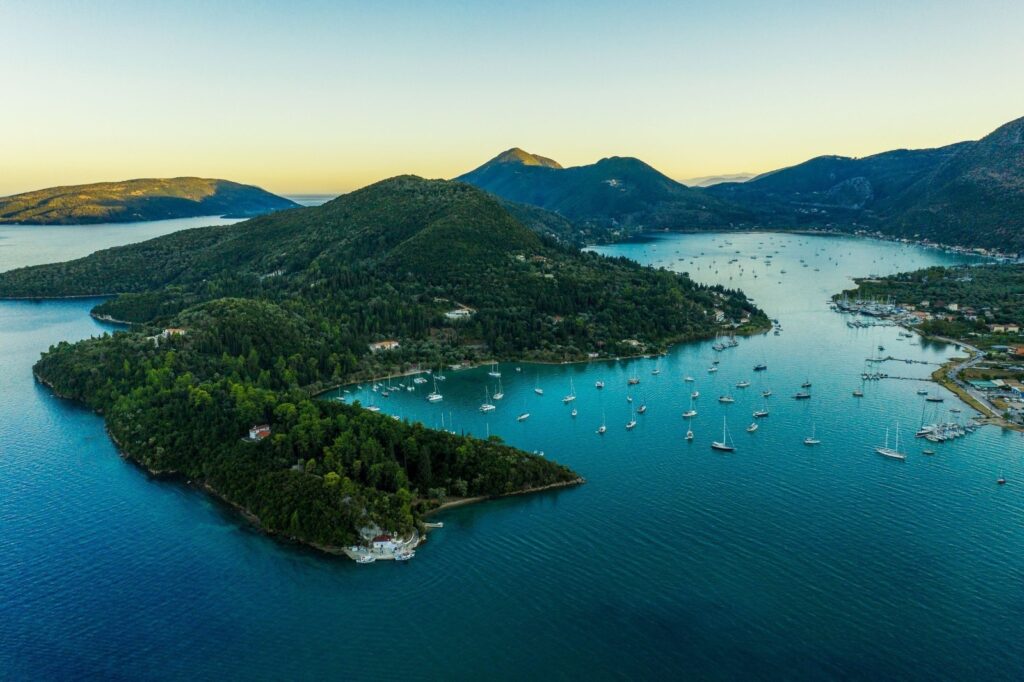
The Northern Adriatic has been fished for centuries and this has contributed to shaping culture, marine ecosystems and local economies. At the national level, the governance of the environmental and fisheries policies streams is divided between Italy’s Ministry of the Environment and Energy Security (MASE) and the Ministry of Agriculture, Food Sovereignty and Forestry (MASAF).
Challenges:
Division of mandates among different competent authorities and across various levels of governance. Despite improved integration of sustainable goals in fisheries policies, their support to biodiversity ones remain indirect.
Potential Solutions:
- Support and enhance the coordinating role of existing bodies (e.g., Fisheries Districts at the regional level).
- Ensure the proper and consistent implementation of EU framework Directives to reduce policy silos and foster the integration of the two policies streams.
- Support and capitalise on local initiatives, such as Fisheries Local Action Groups (FLAGS), to integrate biodiversity goals into sectoral policies.
The French Mediterranean Sea
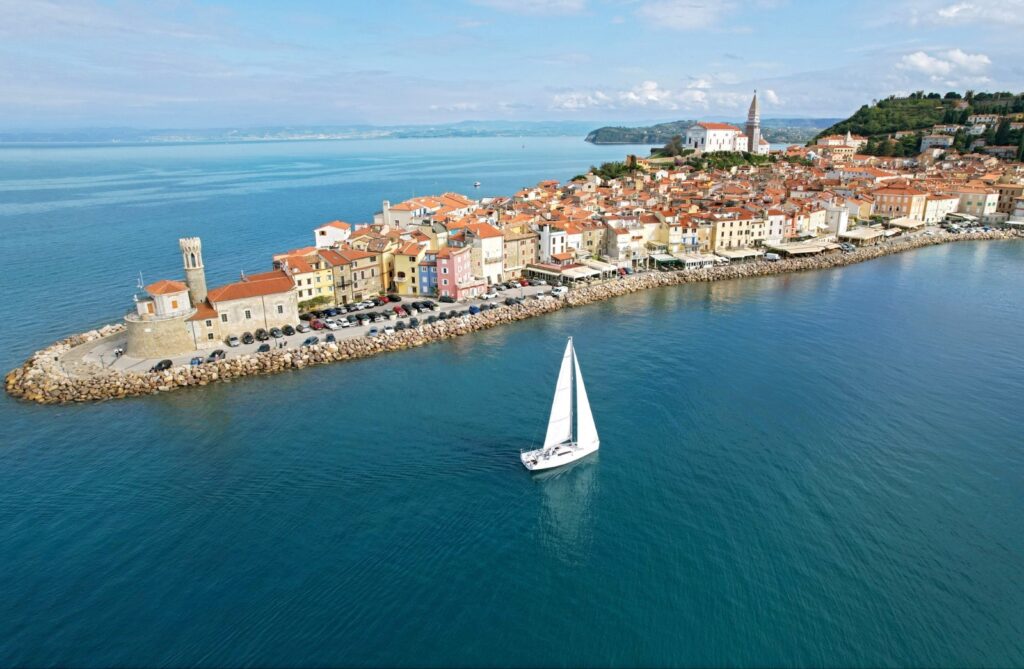
Along France’s Mediterranean coastline, professional fishing employs just 0.2 % of the regional workforce (497 vessels, 643 sailors), yet cultural identity and food security keep the sector politically salient. Over half of the shoreline (53 %) falls under formal protection, though a few zones restrict fishing.
Challenges:
Approximately 2 % of fish stocks have collapsed, and many partially protected areas lack mechanisms that link fishing pressure to ecological thresholds.
Potential Solutions:
- Embed mutually reinforcing measures for fisheries and biodiversity within EMFAF funding and the Façade Strategic Document.
- Implement targeted, timebound fishery bans to allow recovery of vulnerable species and habitats.
- Attach robust environmental criteria and transparency to the allocation of EMFAF grants, ensuring public funds incentivize measurable conservation gains.

Torre Guaceto (Apulia, Italy)
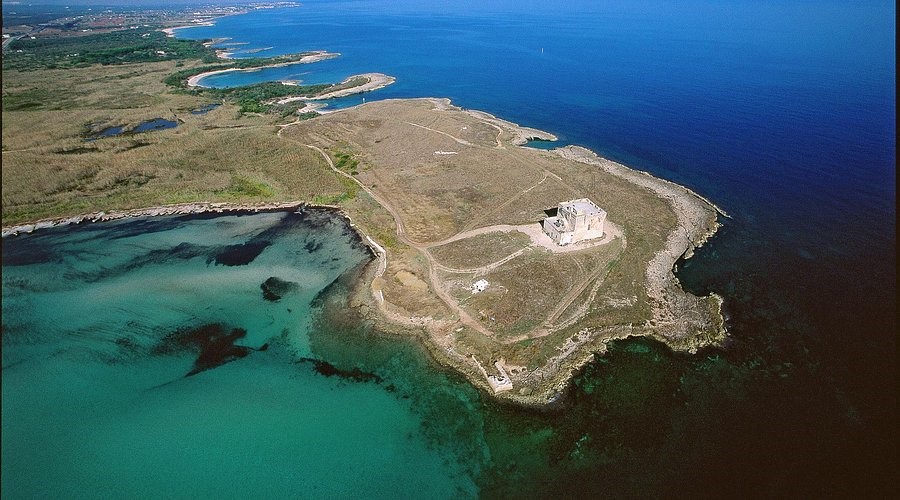
Designated in 1991, Torre Guaceto Marine Protected Area began as a “paper park,” with its fishing ban unenforced for nearly a decade. The turning point came when local fishers were brought into genuine co-management.
Challenges:
Institutional fragmentation and power imbalances are undermining MPA implementation, enforcement, and compliance.
Potential Solutions:
- Formalize multi-stakeholder co- management bodies to share decision-making and benefits.
- Demonstrate tangible gains and benefits, such as higher catches in adjacent zones, diversified income through ecotourism, to secure long-term local commitment.
The Road to Policy Coherence in the Mediterranean
Participants engaged in breakout group discussions focusing on integrated governance, management tools, and stakeholder engagement, aiming to develop actionable recommendations for improving policy coherence in the Mediterranean. The workshop provided a platform for experts and stakeholders to discuss and share insights on the future of Mediterranean fisheries and biodiversity, contributing to the development of policy recommendations for enhanced coherence and sustainability in the region.
Governance Working Group – Key Takeaways:
- Descriptor 6 of the Marine Strategy Framework Directive is meant to align fisheries and biodiversity rules, yet enforcement instruments remain scarce, and ministries continue to “speak different languages.” This fragmentation limits any real push toward joint biodiversity and fishery outcomes.
- France’s single implementation document, merging Marine Spatial Planning (MSP) and MSFD programmes of measures, demonstrates how consolidating mandates streamlines decision-making.
- Issue focused expert groups within the GFCM scientific committee, populated by nationally appointed members, provide a template for structured, cross-country dialogue that can translate science into coherent regulation.
- Stronger NGO participation is essential for transparency and compliance, ensuring that public interest goals are not lost amid competing sectoral priorities.
Available Tools Working Group – Key Takeaways:
- While expanding Marine Protected Areas is important, the urgent need lies in making current MPAs more functional. Many lack funding, staffing, and enforcement capacity, and legal instruments to address infractions remain weak or inconsistent. Expansion must go hand‑in‑hand with improved effectiveness and ecological connectivity.
- When applied together, Marine Spatial Planning (MSP) and the Marine Strategy Framework Directive (MSFD) offer a powerful structure to balance biodiversity conservation with sustainable fishing. MSP can spatially identify zones for fishing, habitat protection, or ecological restoration, while also advancing broader sustainability goals like energy efficiency in fisheries. Crucially, these frameworks enable much‑needed cross‑sectoral dialogue, but this requires early and meaningful stakeholder engagement, which remains underdeveloped in many countries.
Stakeholder Engagement Working Group – Key Takeaways:
- Meaningful dialogue with fishers works best when it comes from someone they know and trust. One-on-one conversations, especially by people within the community, help break down resistance and show fishers that their voices and knowledge are valued.
- While financial support is available for collaboration between fishers and conservation actors, applying for it often involves complex paperwork. Many managers spend more time on administration than on actual fieldwork, making it harder to turn good ideas into action.
In case you missed the workshop you can watch the recording below: